
Why Users Buy Products After Watching Short Videos
Short-form video has changed the way people discover and purchase products online. In 2026, platforms such as TikTok, Instagram Reels, YouTube Shorts and Facebook Reels influence buying behaviour across fashion, electronics, cosmetics, food, fitness and home accessories. People no longer rely only on traditional advertising or lengthy product reviews before making a purchase. Instead, they often decide within seconds after seeing a realistic demonstration, customer reaction or practical example in a short clip. This shift is connected to faster information processing, emotional engagement and growing trust in visual recommendations from creators and ordinary users.
How Short Videos Influence Consumer Decisions
One of the main reasons short videos affect purchasing decisions is their ability to show products in real-life situations. Static images rarely explain how an item actually works, while a 30-second video can demonstrate texture, size, speed, usability and results immediately. For example, cosmetics brands frequently use short clips to show how products appear under natural lighting, while technology companies present real device performance instead of edited promotional images.
Another important factor is the speed of content consumption. Users scrolling through social media process dozens of visual messages every minute. Short videos fit perfectly into this behaviour because they deliver information quickly without requiring much effort from viewers. People can understand the main advantages of a product almost instantly, which increases the likelihood of impulsive purchases.
Short videos also create a stronger emotional connection than written descriptions. Music, facial expressions, voice tone and storytelling influence perception in ways that plain text cannot achieve. When viewers notice excitement, surprise or satisfaction from another person using a product, they often imagine themselves having the same experience. This emotional response frequently becomes the trigger for purchasing decisions.
The Role of Authenticity in Video Marketing
Authenticity has become one of the most valuable elements of social media marketing in 2026. Audiences are increasingly sceptical of heavily edited advertising campaigns and polished corporate promotions. Instead, they respond more positively to realistic videos filmed in everyday environments. This is why user-generated content continues to outperform many traditional advertising formats.
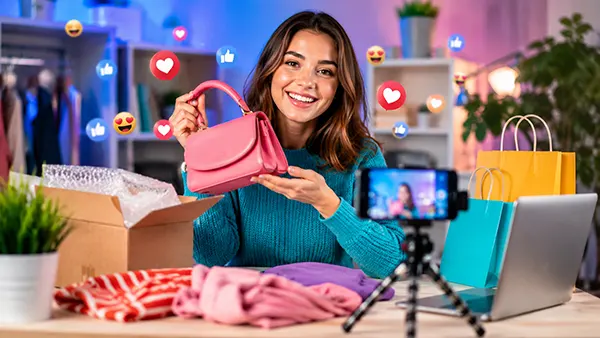
Consumers trust creators who openly discuss both strengths and weaknesses of products. Reviews that include practical demonstrations, honest reactions and detailed explanations appear more reliable than scripted advertisements. For example, skincare creators who document long-term product usage often generate higher engagement because viewers can observe visible changes over time rather than unrealistic instant results.
Live reactions and unscripted moments also increase trust. Small imperfections in filming, natural conversations or spontaneous comments make videos feel more genuine. This authenticity reduces the psychological distance between seller and buyer, helping users feel more confident about spending money online.
Psychological Triggers Behind Short Video Purchases
Short-form videos activate several psychological mechanisms connected to buying behaviour. One of the strongest triggers is social proof. When users repeatedly see products appearing in videos, comment sections or recommendations, they begin to perceive these products as popular and trustworthy. High engagement metrics such as likes, shares and positive comments reinforce this effect.
Fear of missing out also plays a major role. Limited offers, trending products and viral challenges create urgency. Social media algorithms rapidly spread popular products across large audiences, making users feel that they need to act quickly before trends disappear or items become unavailable. This is especially noticeable in fashion, beauty and technology categories.
Another powerful factor is the dopamine-driven nature of endless scrolling. Short videos deliver constant stimulation through fast editing, music and changing visuals. When a product appears during this highly stimulating experience, users may associate it with positive emotions. This emotional association can increase the probability of immediate purchases, especially when checkout links are integrated directly into social media applications.
Why Mobile Shopping and Video Content Work Together
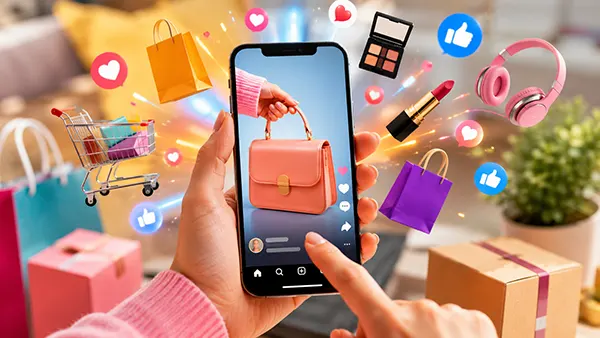
Most short-form video consumption happens on smartphones, which makes the transition from watching to buying extremely fast. Users can see a product, open the store page and complete payment within minutes without leaving the application. This convenience removes many barriers that previously interrupted online purchases.
Modern social media applications also use advanced recommendation systems that personalise video feeds based on viewing history, interests and interactions. As a result, users are shown products that already match their preferences. This increases conversion rates because the content feels relevant instead of random.
Mobile interfaces are now designed to support frictionless shopping experiences. Integrated product tags, instant checkout systems, digital wallets and AI-based recommendations simplify the buying process. In many cases, consumers do not actively search for products anymore. Instead, products appear naturally inside entertainment content, making purchases feel more spontaneous and less like traditional advertising.
Industries That Benefit Most From Short Video Commerce
The beauty industry remains one of the strongest sectors influenced by short-form video. Tutorials, before-and-after comparisons and skincare routines generate significant engagement because viewers can instantly evaluate visual results. Cosmetic brands increasingly collaborate with micro-influencers who maintain close relationships with niche audiences and often achieve higher trust levels than celebrities.
Fashion retailers also benefit heavily from short videos. Clothing demonstrations help consumers understand fit, movement, styling combinations and fabric appearance more accurately than product photos alone. Many brands now prioritise vertical video campaigns because they perform better on mobile devices and align with modern browsing habits.
Technology and household products have also experienced growth through video-based commerce. Smart devices, kitchen gadgets and fitness equipment are easier to explain visually. Demonstration videos showing real functionality reduce uncertainty and answer common customer questions before purchase. This often lowers return rates because buyers have clearer expectations.
The Future of Short Video Shopping in 2026
Artificial intelligence increasingly shapes how short-form video content is created and distributed. Recommendation algorithms analyse user behaviour with high precision, allowing brands to target specific audiences more effectively. AI-generated subtitles, automatic translations and personalised product feeds also help businesses reach international audiences more efficiently.
Augmented reality features continue to expand inside social media applications. Users can virtually test makeup, glasses, clothing or furniture directly from their smartphones before purchasing. This reduces hesitation and gives consumers greater confidence when shopping online. Brands investing in interactive video experiences are expected to gain stronger engagement rates in the coming years.
Short-form video commerce is likely to become even more integrated into daily digital behaviour. Consumers increasingly expect content to be entertaining, informative and immediately actionable. Businesses that combine transparent communication, realistic demonstrations and fast mobile shopping experiences are expected to remain competitive as social commerce continues to evolve throughout 2026 and beyond.