
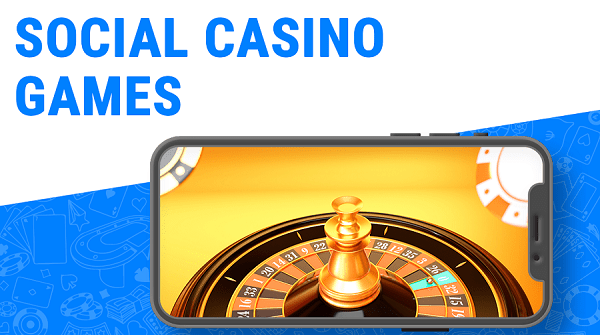
What is Social Gaming?
Social gaming refers to games that allow users to interact with other people in a digital environment. These may include casual games available on Facebook, such as FarmVille, as well as more complex online multiplayer games. What distinguishes social games from traditional games is the central role of communication between participants, whether they collaborate, compete against each other, or share their achievements on social media.
How Do Social Casinos Differ from Online Casinos?
The burgeoning popularity of social gaming led to the birth of ‘social casinos’, but what exactly separates them from their online counterparts?
- No Real Money Betting: The most distinct difference is that in social casinos, players cannot bet or win real money. Instead, they use virtual currency.
- All About Entertainment: While the thrill of winning real cash is a significant lure for online casino patrons, social casino players are more in it for the sheer entertainment value and the social interaction.
- Accessibility: Most social casinos can be accessed through a web browser, a social network, or a mobile app, allowing users to start playing without complicated installation procedures or special technical setup. Their interfaces are generally optimised for computers, smartphones, and tablets, so players can continue their progress across different devices when a user account is available. Updates are often applied automatically by the service without requiring any manual action. This ease of access reduces technical barriers and allows users to begin a session quickly, even on a device with modest performance or with limited knowledge of digital tools.
- Target Audience: Social casinos appeal to a broader demographic, including those who might not traditionally engage with gambling but enjoy the interactive and entertainment aspect of these games.

How Do Social Casinos Make Money if the Games are Free?
A common misconception is that because social casinos offer free-to-play games, they’re not profitable. This couldn’t be further from the truth. Here’s how they monetize:
- In-Game Purchases: While it’s free to play, players can purchase virtual currency, power-ups, new challenges, and other in-game items to enhance their gaming experience.
- Advertisements: Just like many free apps and platforms, social casinos often show ads to their users. Given the large user base and high user engagement, advertising can be a significant revenue stream.
- Data Monetization: User data is a goldmine. By analyzing user behavior, preferences, and playing patterns, social casinos can provide valuable insights to third parties for a fee.
- Affiliate Marketing: Some social casinos partner with real-money online casinos and promote them to their users. For every user that signs up to the real-money casino via this promotion, the social casino gets a commission.
Conclusion
Social casinos create a connection between casual games and certain mechanics inspired by gambling, appealing primarily to people who are looking for entertainment rather than financial rewards. Their popularity can be explained by their ease of access, user interaction features, and the opportunity to play without directly spending money on traditional bets. As these services introduce new features, improve mobile compatibility, and expand their range of content, they are likely to maintain an important position in the digital entertainment sector.